
Video Laparoscope: Modern Technology for Minimally Invasive Surgery
A Video Laparoscope is an advanced medical device used in minimally invasive surgery. It helps doctors see inside the body without making large cuts. This technology has changed the way many surgeries are performed today. Instead of open surgery, surgeons can now operate through small incisions with better precision and safety.
In this article, we will explain what a Video Laparoscope is, how it works, its benefits, common uses, and why it is important in modern healthcare.
What Is a Video Laparoscope?
A Video Laparoscope is a thin, long tube with a small high-definition camera and light source at the tip. It is connected to a monitor that shows clear images of the inside of the body in real time. The device is usually inserted through a small incision in the abdomen.
The camera sends live video to a screen, allowing the surgeon to see organs, tissues, and any problem areas clearly. Special surgical instruments are inserted through other small openings to perform the procedure.
This system provides a magnified and detailed view, which helps surgeons perform operations more accurately.
How It Works
The Video Laparoscope works with the help of a camera system, light source, and monitor. First, a small incision is made in the body. Carbon dioxide gas is often used to gently inflate the abdomen. This creates space so the surgeon can see and move instruments safely.
Next, the device is inserted through a small tube called a trocar. The camera captures images and sends them to a high-resolution monitor. The surgeon watches the screen and performs the surgery using special tools.
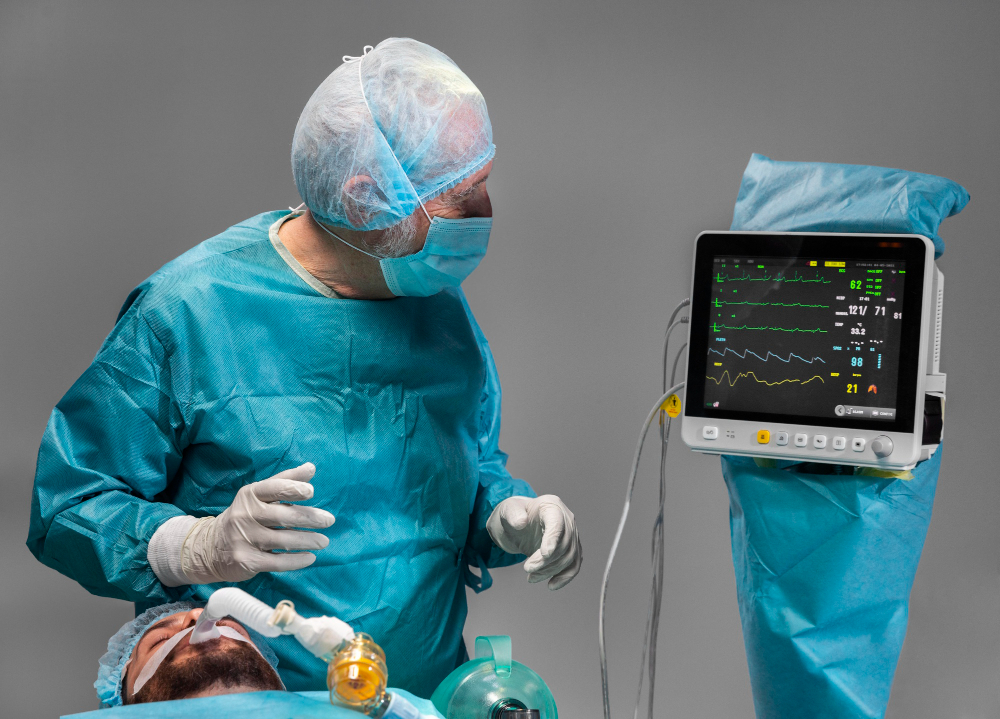
Because everything is shown on a monitor, the medical team can also see the procedure in real time. This improves teamwork and safety during surgery.
Main Components
A Video Laparoscope system usually includes:
-
A laparoscope with a built-in camera
-
High-intensity light source
-
Camera control unit
-
Video monitor
-
Recording system
-
Surgical instruments
Each part works together to provide a clear view and smooth operation. Modern systems also offer high-definition and 4K image quality for better accuracy.
Benefits of Video Laparoscope
There are many advantages of using a Video Laparoscope in surgery:
1. Smaller Incisions
Only small cuts are required, which means less damage to the body.
2. Less Pain
Patients usually feel less pain compared to open surgery.
3. Faster Recovery
Recovery time is shorter, and patients can return to normal life sooner.
4. Minimal Scarring
Small incisions leave very small scars.
5. Lower Risk of Infection
Because the cuts are small, the chance of infection is reduced.
6. Better Visualization
The magnified view helps surgeons see fine details clearly.
These benefits make it a preferred option for many procedures.
Common Uses in Surgery
A Video Laparoscope is widely used in different types of surgeries. Some common procedures include:
-
Gallbladder removal
-
Appendix removal
-
Hernia repair
-
Gynecological surgeries
-
Bariatric surgery
-
Colorectal surgery
It is also used in diagnostic procedures to identify the cause of abdominal pain or other health issues.
Role in Gynecology
In gynecology, this device is commonly used to treat conditions like ovarian cysts, endometriosis, and fibroids. It allows doctors to examine reproductive organs with precision.
Many fertility-related procedures also use this technique. Because of the small incisions, patients recover quickly and experience less discomfort.
Use in General Surgery
In general surgery, a Video Laparoscope is frequently used for gallbladder removal (laparoscopic cholecystectomy). This procedure has become the standard method worldwide.
It is also used in hernia repair and weight-loss surgeries. The clear visual system improves accuracy and reduces complications.
Technological Advancements
Modern systems now include HD and 4K imaging, which provide sharper and clearer images. Some advanced models also offer 3D visualization. This helps surgeons understand depth better during procedures.
Robotic-assisted surgery also uses similar video systems. These improvements have increased the success rate of minimally invasive operations.
Safety and Training
Surgeons need proper training to use a Video Laparoscope effectively. Medical professionals undergo special training programs to learn laparoscopic techniques.
Hospitals also follow strict sterilization procedures to maintain patient safety. Proper handling and maintenance of equipment are important to avoid technical problems during surgery.
Comparison with Open Surgery
Traditional open surgery requires large incisions, which lead to more pain and longer hospital stays. In comparison, laparoscopic surgery with a Video Laparoscope is less invasive.
Patients often go home within a day or two. Blood loss is also lower, and recovery is faster. Because of these benefits, many hospitals prefer minimally invasive methods whenever possible.
Future of Minimally Invasive Surgery
The future of minimally invasive surgery looks promising. Technology continues to improve, making devices more advanced and user-friendly. Artificial intelligence and enhanced imaging systems may further increase precision.
Portable and compact systems are also being developed to make surgeries more accessible in smaller hospitals and rural areas.
As medical technology grows, the role of a Video Laparoscope will become even more important in modern healthcare.
Conclusion
A Video Laparoscope is a powerful tool that has transformed surgical procedures. It allows doctors to perform operations with small incisions, less pain, and faster recovery. With clear video imaging and advanced features, it improves accuracy and patient safety.
From general surgery to gynecology and bariatric procedures, this technology plays a key role in modern medicine. As advancements continue, minimally invasive surgery will become even more efficient and widely available.
Overall, the Video Laparoscope is an essential device in today’s healthcare system, helping both surgeons and patients achieve better outcomes.